

Why EVA Turns Yellow in Solar Modules: Causes and Prevention
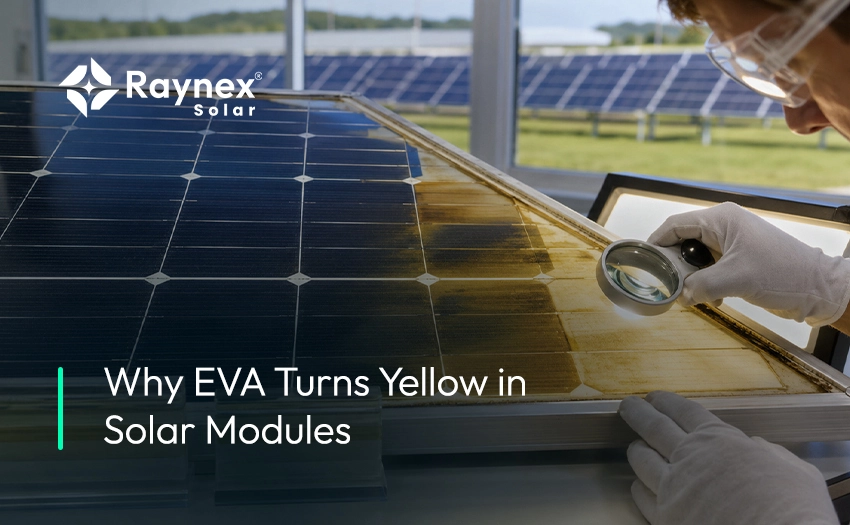
EVA encapsulant is designed to remain transparent so sunlight can pass through to the solar cells. But after long-term outdoor exposure, some modules develop yellow or brown areas inside the encapsulation layer. This change is not always just visual. When EVA loses transparency, it can reduce the amount of light reaching the cells and may […]
How Should Solar Encapsulant Rolls Be Stored Before Lamination?
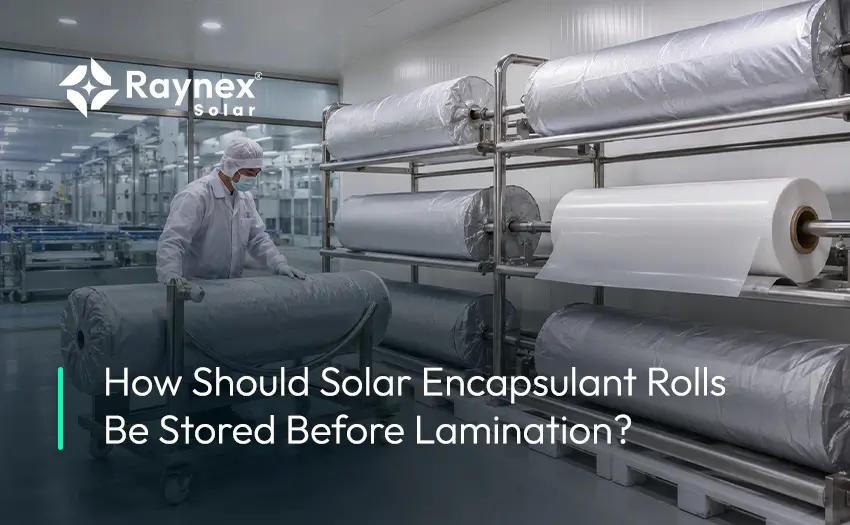
A solar encapsulant roll can arrive at the factory in good condition and still create trouble later if it is stored or handled poorly. Sometimes the problem is obvious, such as damaged wrapping or a crushed edge. In other cases, operators only notice something is different when the film starts unwinding or laying across the […]
What to Check Before Approving a Solar Encapsulant Supplier
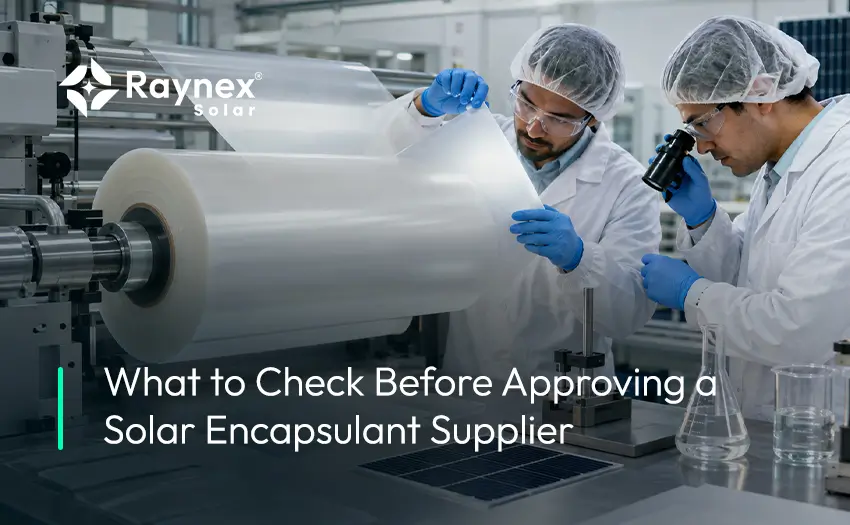
A sample roll can pass an initial check and still behave differently once the same grade moves into routine production. Before approving a solar encapsulant supplier, module manufacturers need to qualify the actual EVA, POE or EPE grade being offered. The material has to suit the module BOM, run properly on the lamination line, stay […]
EVA Gel Content: Why It Matters in Solar Module Lamination
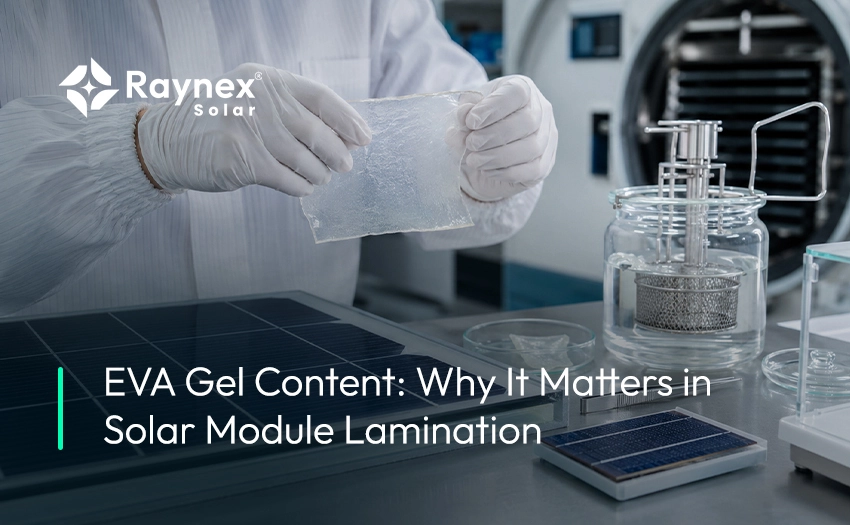
A solar module can come out of the laminator looking completely normal and still have a curing issue inside the encapsulant. That is why experienced production teams do not judge lamination quality only by appearance. They also check whether the EVA has reached the required level of crosslinking. One of the most useful indicators for […]
Encapsulants for TOPCon Solar Modules: EVA, POE or EPE?
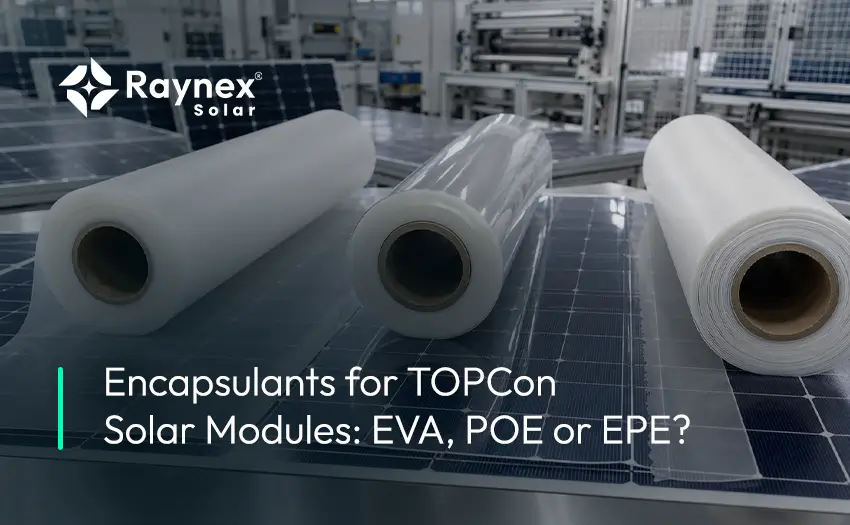
EVA, POE or EPE for TOPCon Modules TOPCon modules need more careful encapsulant selection because the material around the cell has a direct role in moisture protection, electrical insulation and long-term stability. EVA, POE and EPE are all used in solar module manufacturing, but they do not behave the same way during lamination or ageing. […]
What Makes Bifacial Solar Panels Different? A Complete Guide
Solar technology is advancing every year, and one of the latest innovations is Bifacial Solar Panels. Traditional solar panels produce energy from only one side, while bifacial panels generate electricity from both sides, thereby increasing energy output without requiring additional services. Because bifacial solar panels produce more energy and last longer, they have been rapidly […]
Common Solar Module Lamination Problems and How to Fix Them
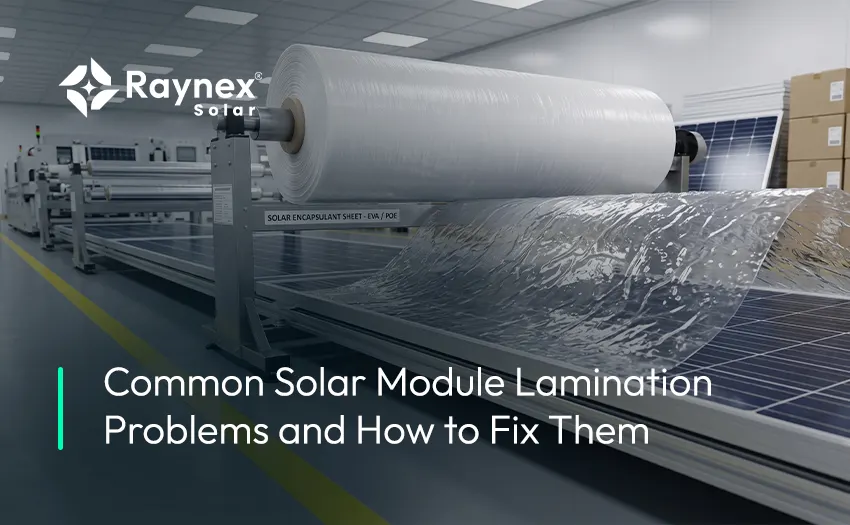
A solar panel has an expected lifespan of more than 25 years. To achieve this, every step of the manufacturing process must be completed with great care, especially lamination. Even a minor error in the lamination process can compromise the strength and functionality of the panel. Solar module lamination problems can lead to manufacturers having […]
What are the Different Types of Solar Cells?
Many people know that solar panels generate power, but very few would realise that solar panels consist of different types of solar cells. They all have different efficiency, design, cost, and performance characteristics. Knowing about solar cells can greatly help you in choosing the right type. This guide will explain each type of solar cell […]
What is POE Encapsulant in Solar Panel?
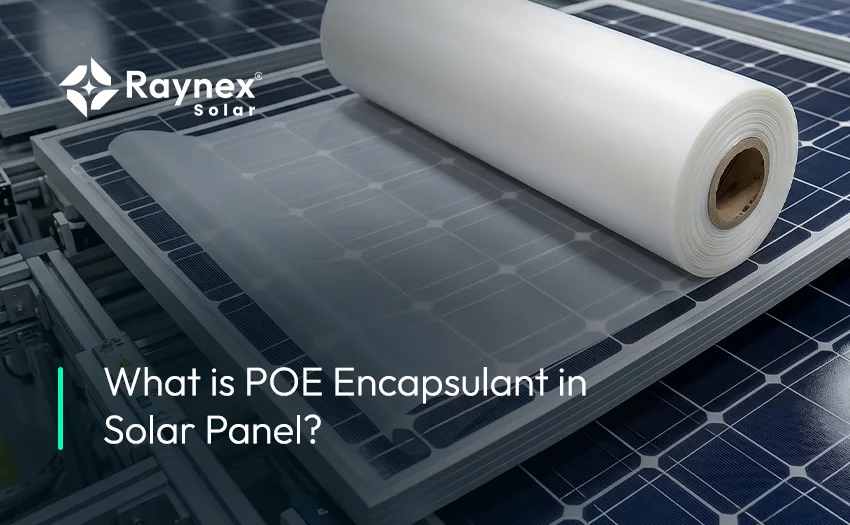
All solar panels come with a layer that protects the solar cells and enables the solar panel to survive in perfect working condition for a long time. This layer is known as an encapsulant. Among the multiple types of encapsulants, POE (Polyolefin Elastomer) has become a popular choice because it offers excellent protection against moisture, […]
How to Choose a Solar Encapsulant Supplier in India
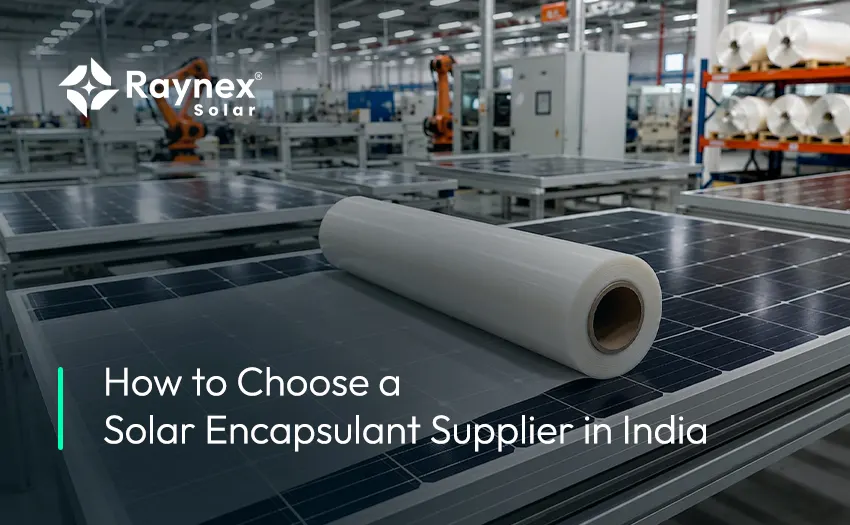
Choosing the right solar encapsulant supplier in India is one of the most important aspects of the decision-making process for solar module manufacturers. A good encapsulant protects solar cells from humidity, dust, ultraviolet radiation, and bad weather for many years. Even the most efficient solar cells cannot work in the absence of a good encapsulant. […]