Why EVA Turns Yellow in Solar Modules: Causes…
EVA encapsulant is designed to remain transparent so sunlight can pass through to the solar cells. But after long-term outdoor exposure, some modules develop yellow…


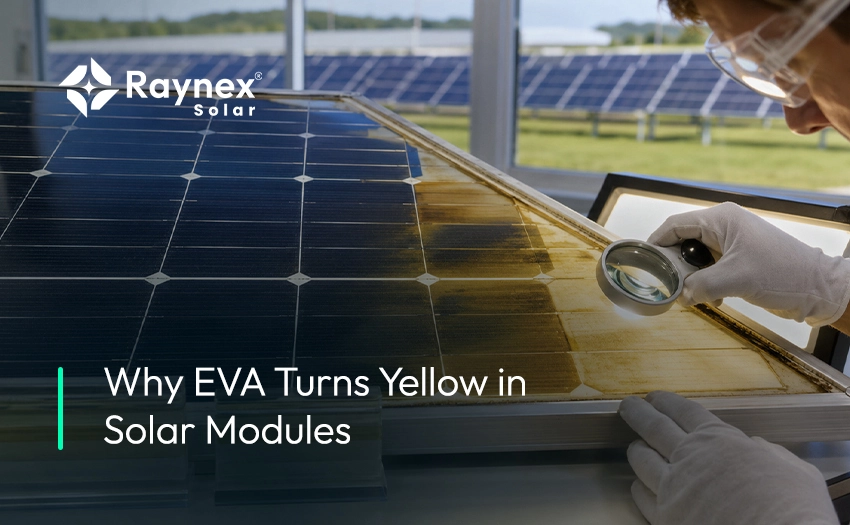
EVA encapsulant is designed to remain transparent so sunlight can pass through to the solar cells. But after long-term outdoor exposure, some modules develop yellow…
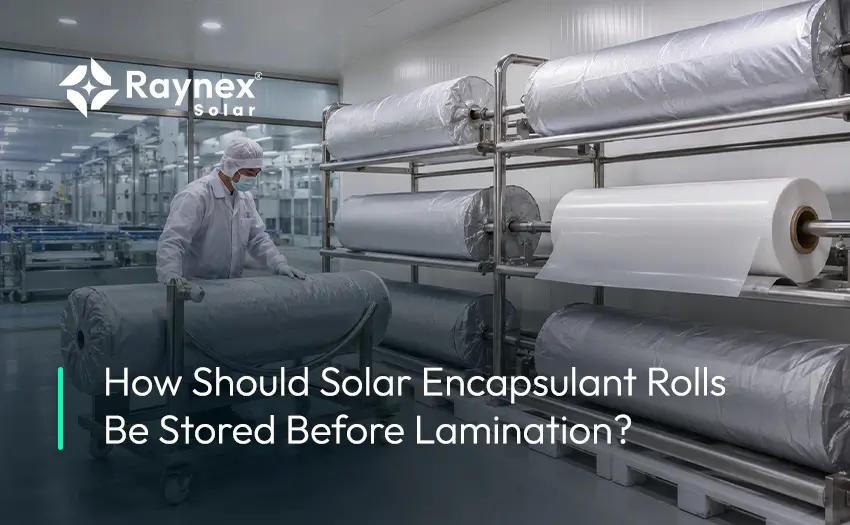
A solar encapsulant roll can arrive at the factory in good condition and still create trouble later if it is stored or handled poorly. Sometimes…
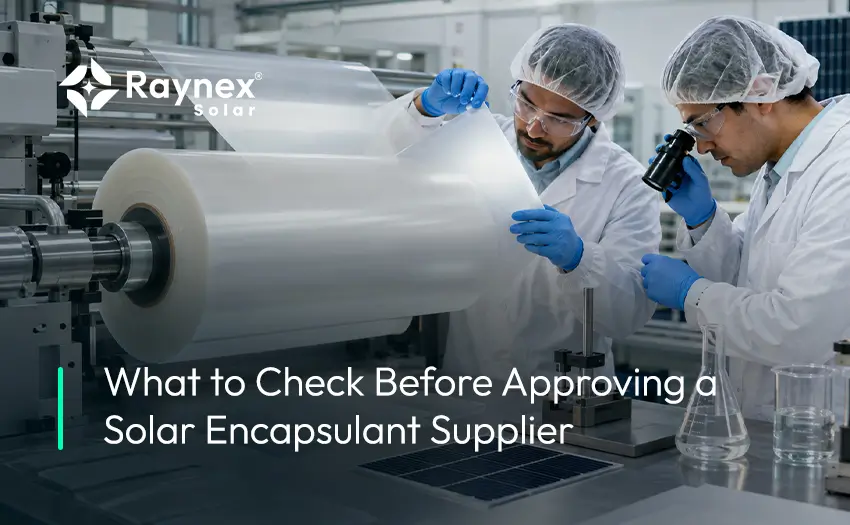
A sample roll can pass an initial check and still behave differently once the same grade moves into routine production. Before approving a solar encapsulant…
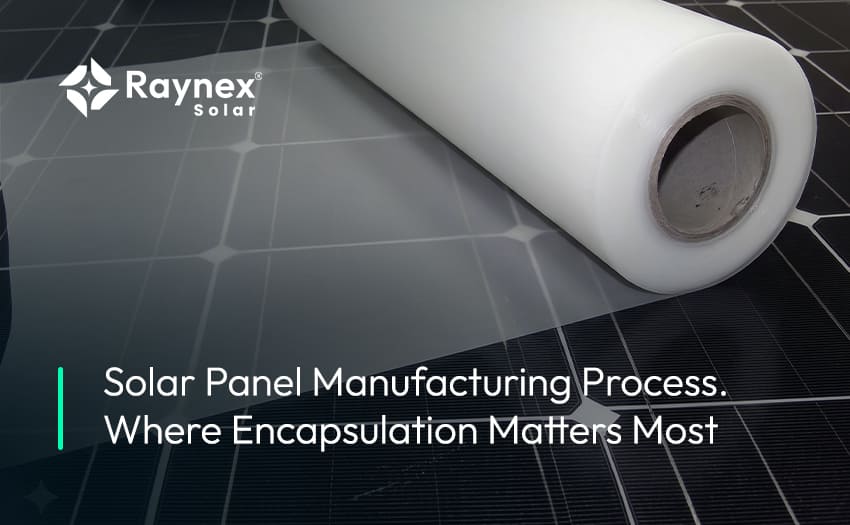
The solar panel manufacturing process is how solar panels are made to turn sunlight into electricity. It may sound complex, but it is simply a
Choosing the right solar encapsulant materials are very important when making solar panels. One key step is solar encapsulant selection, which helps protect the solar
Solar panels are made to produce electricity for more than 25 years, even when the weather is tough. They face strong sunlight, high heat, rain,
Selecting the correct encapsulation material is one of the most critical decisions in solar module manufacturing. Encapsulants protect delicate solar cells from environmental damage while
Solar panels are designed to operate reliably for 25 years or more. However, the long-term performance of a solar module does not depend only on
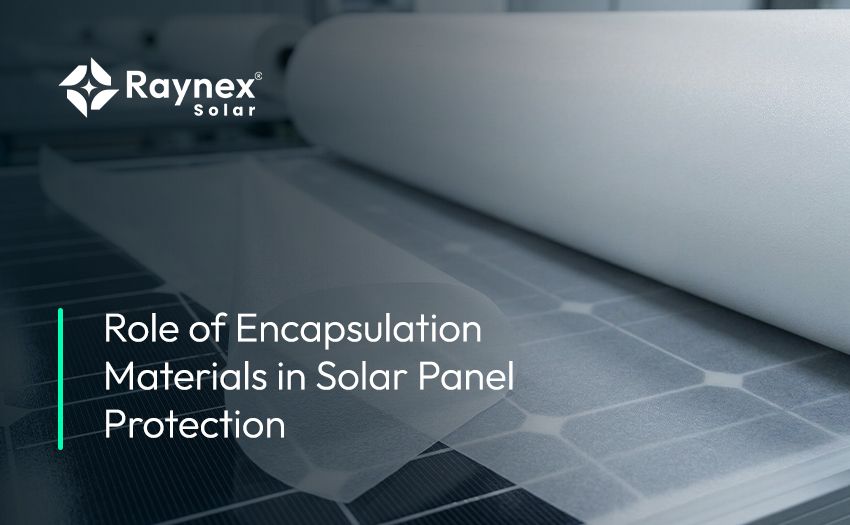
Solar panels are designed to operate for more than 25 years while being exposed to harsh environmental conditions such as heat, humidity, ultraviolet radiation, wind,
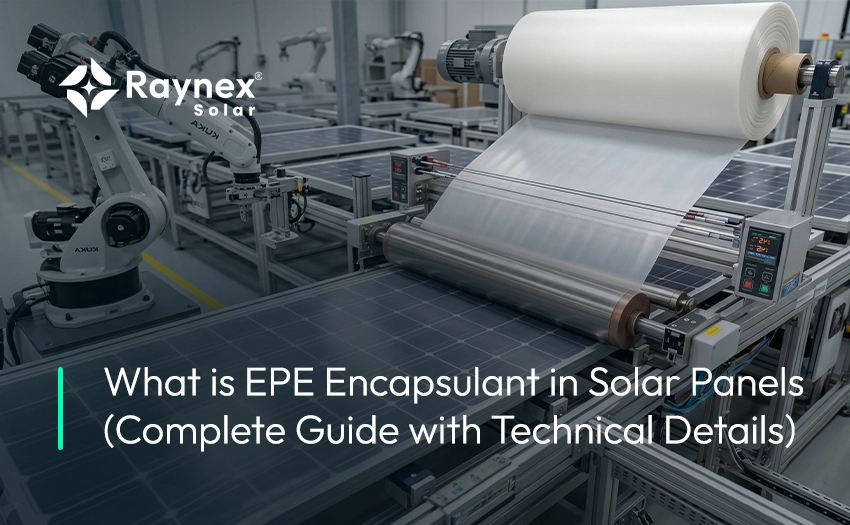
The performance and durability of a solar module depend not only on the solar cells but also on the materials that protect those cells. One
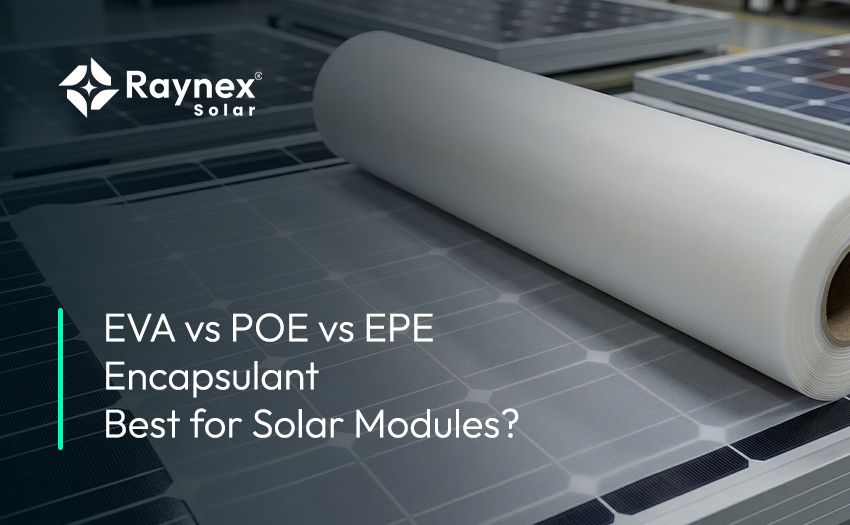
In the solar manufacturing industry, the reliability and efficiency of a solar module depend not only on solar cells but also on the materials used