
The performance and durability of a solar module depend not only on the solar cells but also on the materials that protect those cells. One of the most critical materials inside a solar panel is the encapsulation layer, which protects solar cells from moisture, mechanical stress, and environmental damage. In recent years, solar EPE encapsulant has emerged as an advanced solution in solar module manufacturing. In this article, we will explain what solar EPE encapsulant is, how it works, and why it is becoming an important solar panel encapsulation material in modern photovoltaic modules.
Solar panels are made of multiple layers that work together to generate and protect electrical energy production. Inside a typical solar module, fragile silicon solar cells are sandwiched between protective layers. These layers prevent environmental damage such as humidity, dust, ultraviolet radiation, and temperature fluctuations.
The material used to protect these cells is called the encapsulant. A high-quality solar panel encapsulation material ensures:
Traditionally, EVA encapsulants have been widely used in the solar industry. However, new materials such as solar EPE encapsulant are gaining attention due to their improved performance.
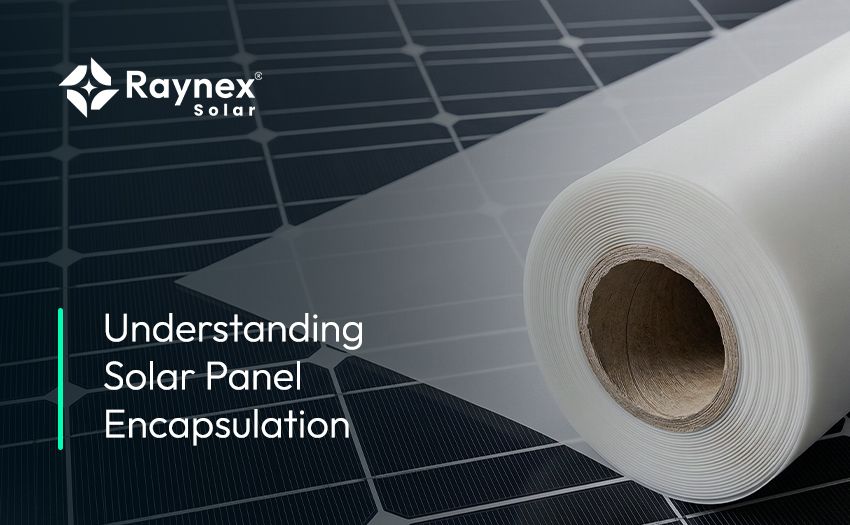
A solar EPE encapsulant is a multi-layer encapsulation material used in photovoltaic modules. The term EPE stands for EVA–POE–EVA, which means the encapsulant sheet consists of three layers:
This layered structure combines the benefits of both EVA and POE materials.
The EVA layers provide excellent transparency and strong adhesion, while the POE layer offers superior resistance to moisture and electrical degradation. Because of this combination, EPE encapsulant sheets are designed to improve the durability and reliability of solar modules.
An EPE encapsulant sheet is engineered to deliver balanced performance across optical, mechanical, and electrical properties. The three-layer structure works as follows:
This layered design makes solar EPE encapsulant a reliable solar panel encapsulation material for modern high-efficiency modules.
Solar manufacturers are increasingly adopting EPE encapsulant sheets because they offer a balanced combination of performance and cost. Some of the key advantages include:
Improved Moisture ResistanceThe POE layer in the middle provides better resistance to water vapor compared to standard EVA materials. This helps protect solar cells from corrosion and degradation.
PID ResistancePotential-induced degradation is a major concern in solar modules, especially in large solar installations. The POE layer significantly improves resistance to PID, which helps maintain long-term energy output.
High Optical TransmissionEVA outer layers maintain excellent transparency, ensuring maximum sunlight reaches the solar cells.
Cost EfficiencyCompared to pure POE encapsulation, solar EPE encapsulant offers improved performance at a lower cost, making it an attractive option for many solar module manufacturers.
Different encapsulation materials are used in solar modules depending on performance requirements.
EVA EncapsulantTraditional EVA is widely used due to its cost-effectiveness and good transparency. However, it has relatively higher moisture permeability and can be more susceptible to PID.
POE EncapsulantPOE provides excellent moisture resistance and PID protection, but it is more expensive and can sometimes have adhesion challenges.
EPE Encapsulant SheetAn EPE encapsulant sheet combines the advantages of both materials by using EVA for adhesion and POE for protection. This hybrid design provides a balanced solution between performance and cost.
Because of its enhanced durability, solar EPE encapsulant is commonly used in several types of photovoltaic modules, including:
In these applications, choosing the right solar panel encapsulation material plays a critical role in ensuring long-term performance.
As solar technology continues to evolve, encapsulation materials are also advancing to support higher efficiency and longer module lifetimes. Many manufacturers are increasingly adopting EPE encapsulant sheets because they offer improved reliability while maintaining reasonable manufacturing costs. With the growing demand for durable solar modules, solar EPE encapsulant is expected to become an important material in next-generation photovoltaic panel manufacturing.
The encapsulation layer is one of the most important components inside a solar module, protecting delicate solar cells from environmental and electrical damage. Solar EPE encapsulant provides a modern solution by combining EVA and POE materials in a three-layer structure. By offering improved moisture resistance, better PID protection, and high optical transparency, EPE encapsulant sheets are becoming a preferred solar panel encapsulation material for many solar manufacturers. As the solar industry continues to grow, advanced encapsulation technologies like solar EPE encapsulant will play a key role in improving the reliability and longevity of photovoltaic systems.
Solar EPE encapsulant is a protective polymer layer used inside solar panels to encapsulate and protect the solar cells. It typically consists of a three-layer structure (EVA–POE–EVA) that provides improved durability, moisture resistance, and electrical insulation compared to traditional encapsulant materials. EPE helps extend the lifespan and efficiency of photovoltaic modules.
In solar panel technology, EPE stands for EVA–POE–EVA, which is a multi-layer encapsulant structure used to protect solar cells from environmental factors such as moisture, UV radiation, and temperature fluctuations.
EPE encapsulants offer several advantages including better moisture resistance, improved PID resistance (Potential Induced Degradation), enhanced durability, and longer module lifespan. They also improve the overall reliability of solar panels in harsh environmental conditions.
Yes, EPE encapsulant improves solar panel lifespan by protecting solar cells from environmental stress, preventing delamination, and reducing degradation risks. This helps maintain stable performance over 25 years or more.
The EPE encapsulant layer is placed between the solar cells and the protective layers such as the glass on the front and the backsheet at the rear. It holds the cells securely in place while protecting them from external damage.